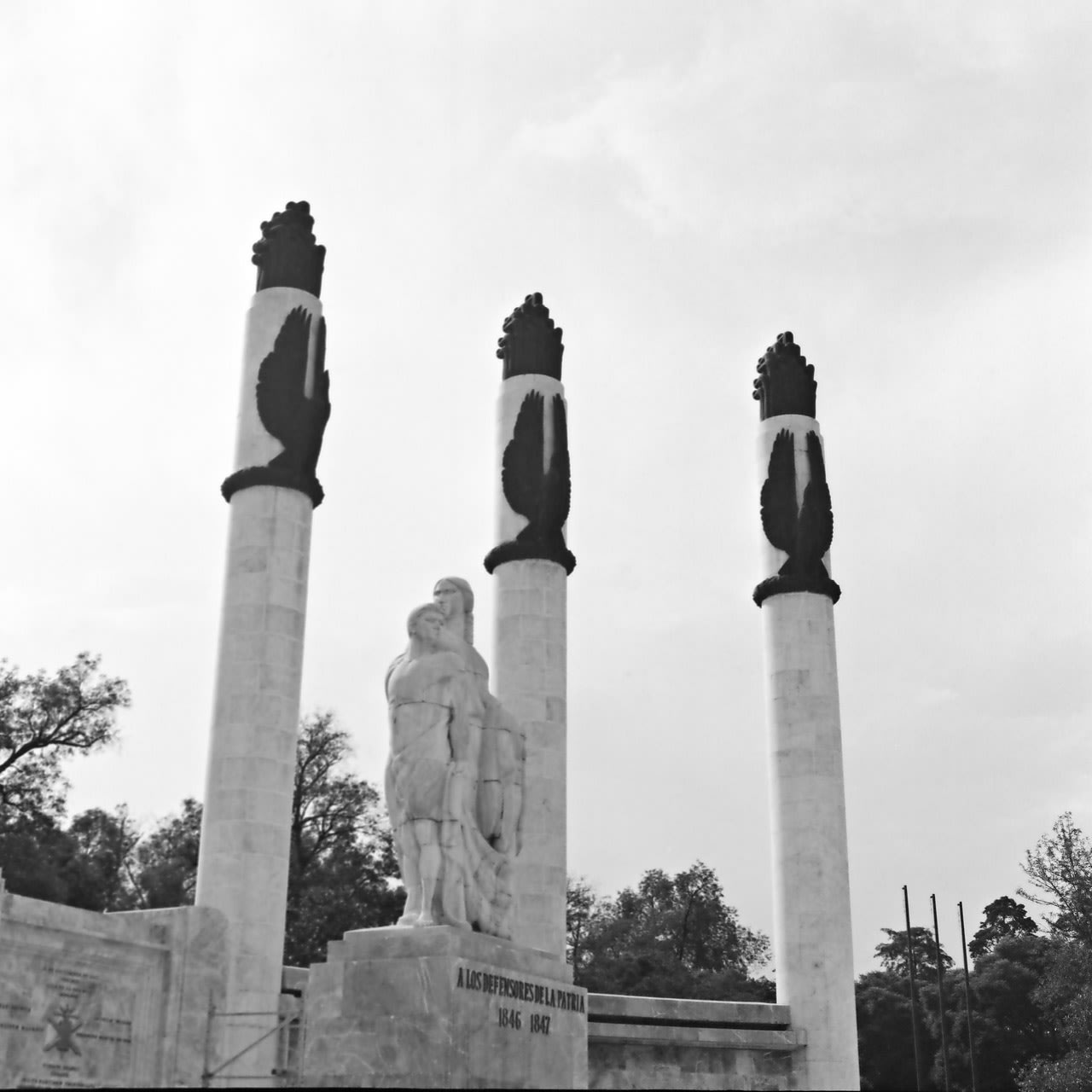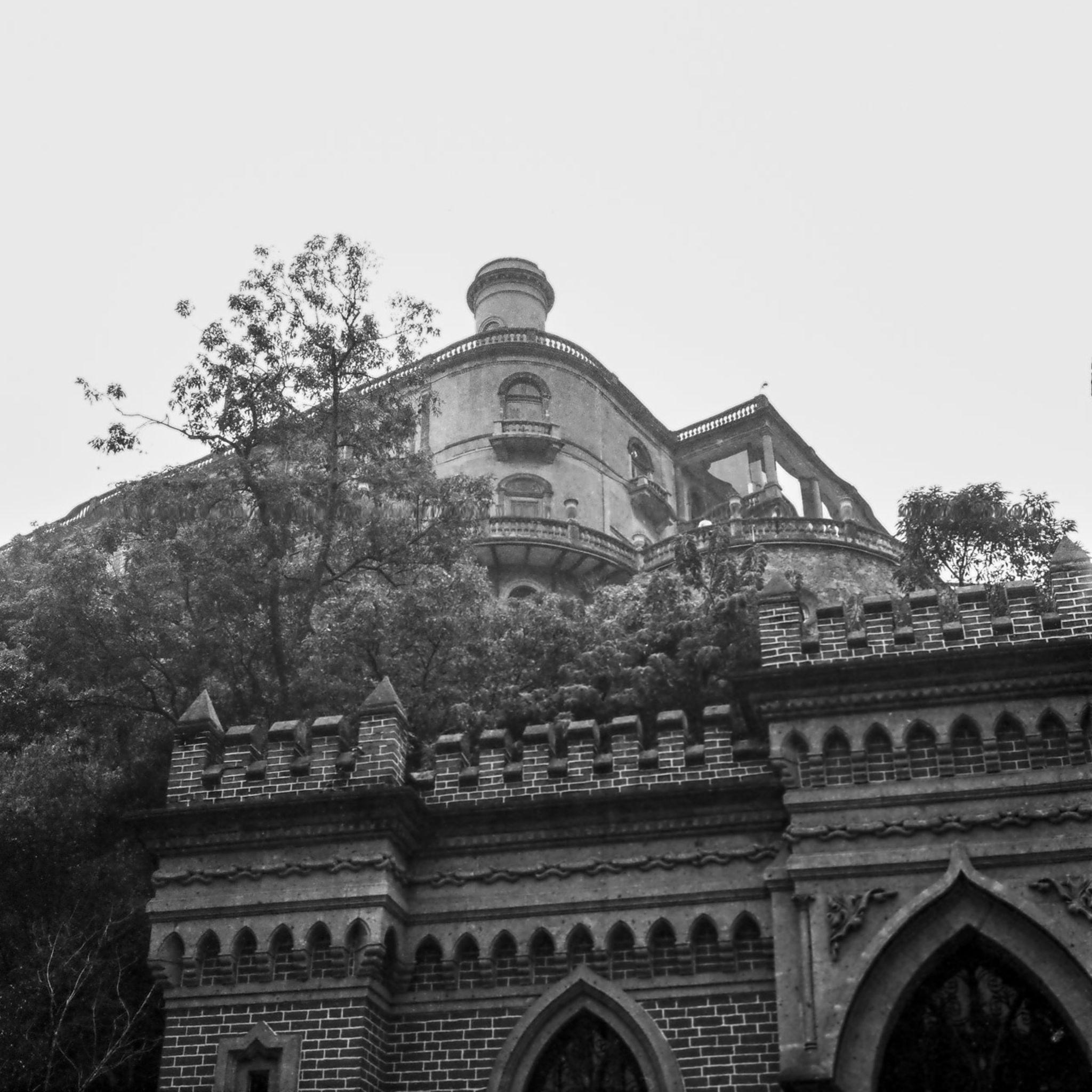
I’ve got mixed feelings after shooting my first rolls with my new Yashica.
First thing I have to say: this is one solid camera. Built with finesse and delicacy, yet tough as a tank. It feels great in the hands, although a bit on the heavy side. That didn’t surprise me; I’ve always preferred metal cameras. My neck usually disagrees, since it’s the one carrying the weight, but that’s another story.
The camera arrived on Thursday, and by Friday night I had already practiced loading film. By Saturday morning, I was ready to head out to one of my comfort spots, no rush, no stress.
Welcome to Bosque de Chapultepec
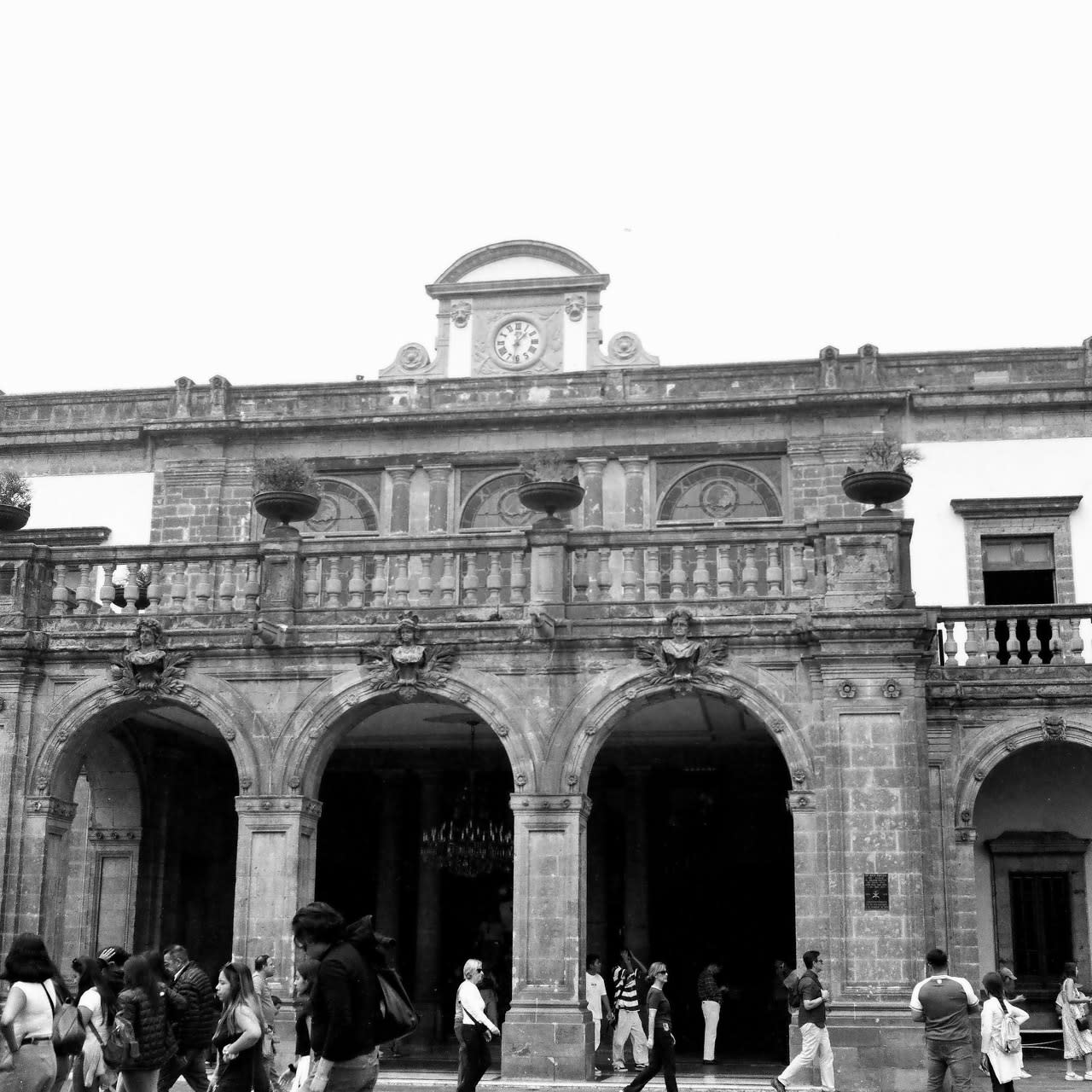
Named the best urban park in the world (yes, even above Central Park in NY), it’s the kind of place where you can shoot calmly. Trees, lakes, a Korean pagoda, endless attractions, but undoubtedly, the crown jewel is Chapultepec Castle. Construction started back in the 18th century, and through the years it has served many purposes. Today it houses the National History Museum.
First Roll: Foma 400
If you’ve followed my posts, you know I’m a black-and-white guy. I love the variety, each film stock with its own distinctive character. Among them, Fomapan, loved by some, hated by others.
I went with the 400 version since this summer has been full of rain and moody skies. Bright gray to dark gray in minutes. Before even buying my ticket, I took a shot from below, just to set the tone for the day.
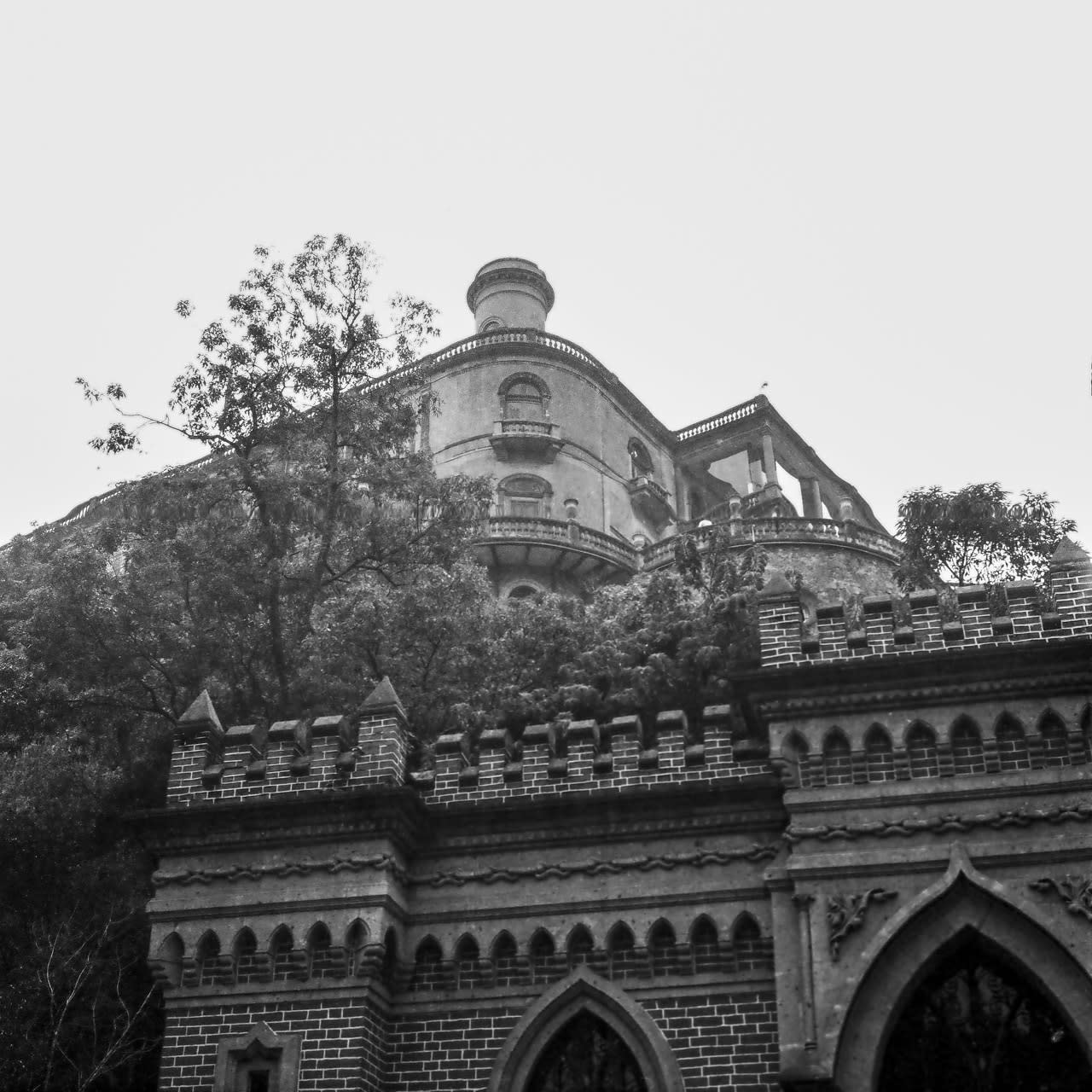
Once you pay, there’s a long uphill walk, a small U-turn, then more climbing until you finally reach the entrance. It’s exhausting, especially since Mexico City sits at 2200 meters above sea level, but it’s worth it. On the way up, you start catching panoramic views of the city. Good warm-up exercise, and a good excuse to snap a few frames.
Since I already know the place, I focused on exteriors. Inside was too crowded (as usual) and pretty dark. I didn’t feel like being bumped around while taking my time with exposure.
Second Roll: Rollei RPX 400s
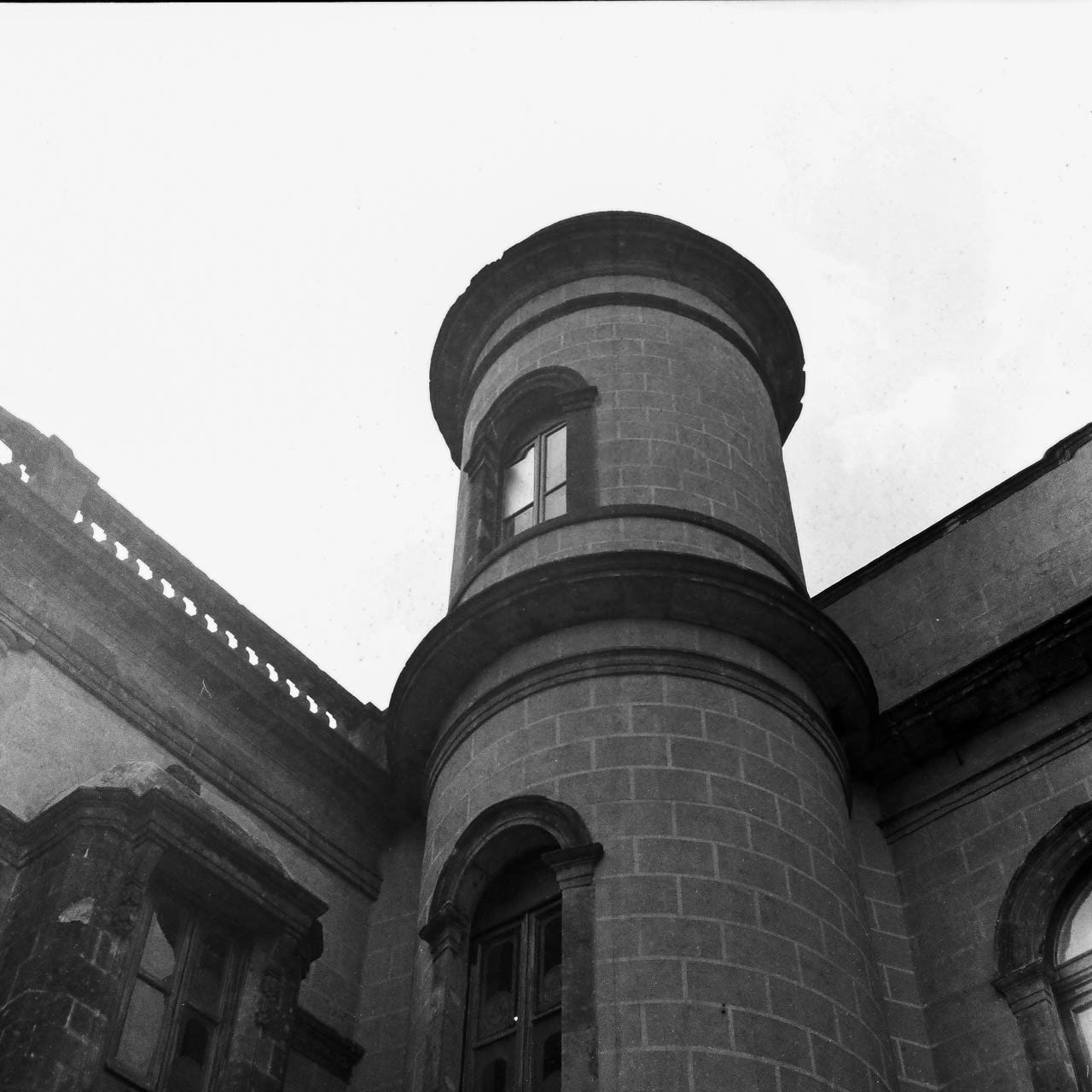
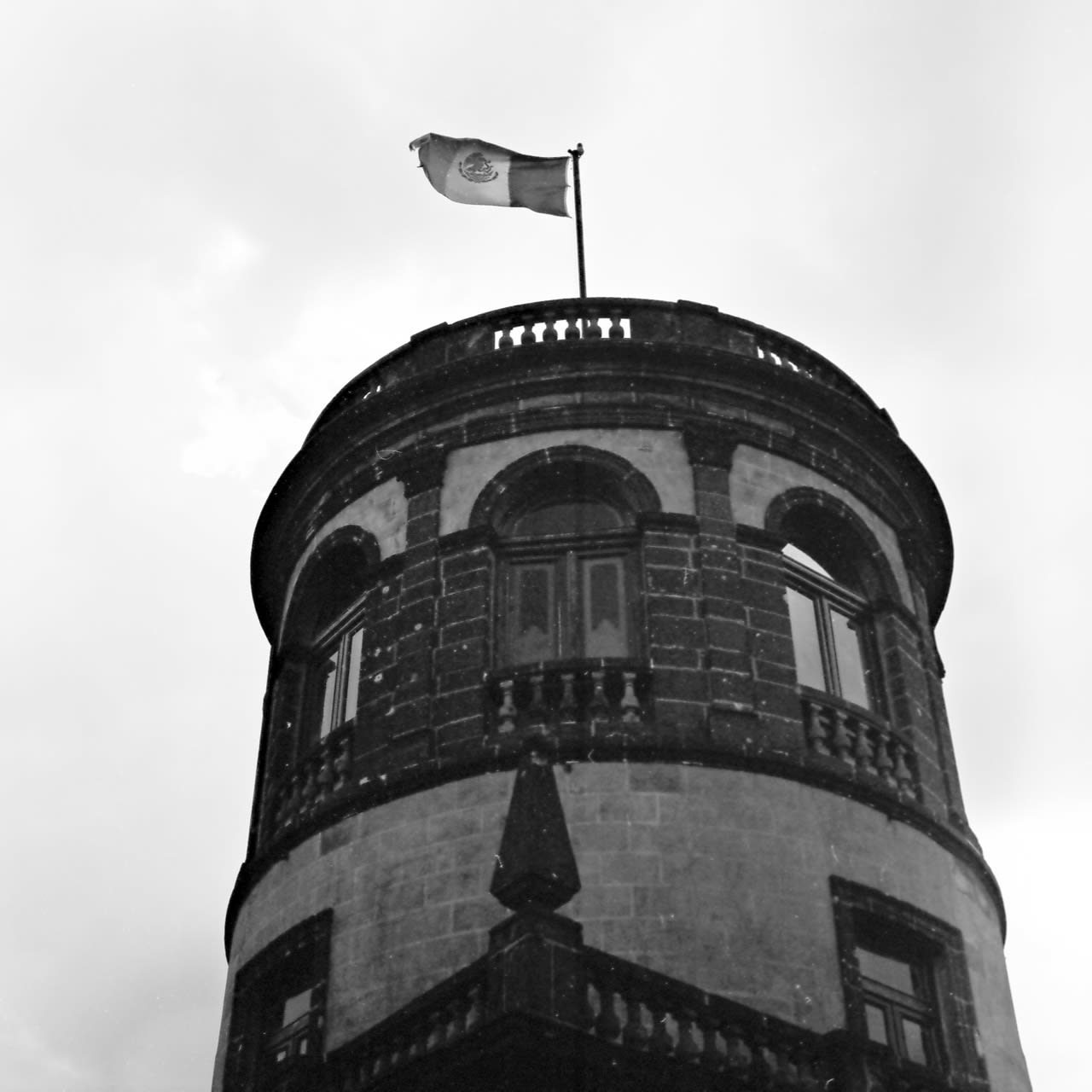
Shooting medium format in 6×6 gives you only 12 shots per roll. Way too few! Luckily, I had packed three rolls. One of them, Rollei. I started by photographing a beautiful tower until I stumbled into an event about to begin.
A classical concert, violin and piano, right up my alley. I tried to capture some nice frames, but I was too optimistic with my light metering. The results weren’t what I hoped for. The truth is, I was also a bit tired of being under the sun, so I wasn’t as careful as I should have been.
The problem is Rollei film isn’t well-known for its latitude, so if your exposure is off, you’re toast. You’ll end up with dark photos. Here are a few of the less terrible ones.
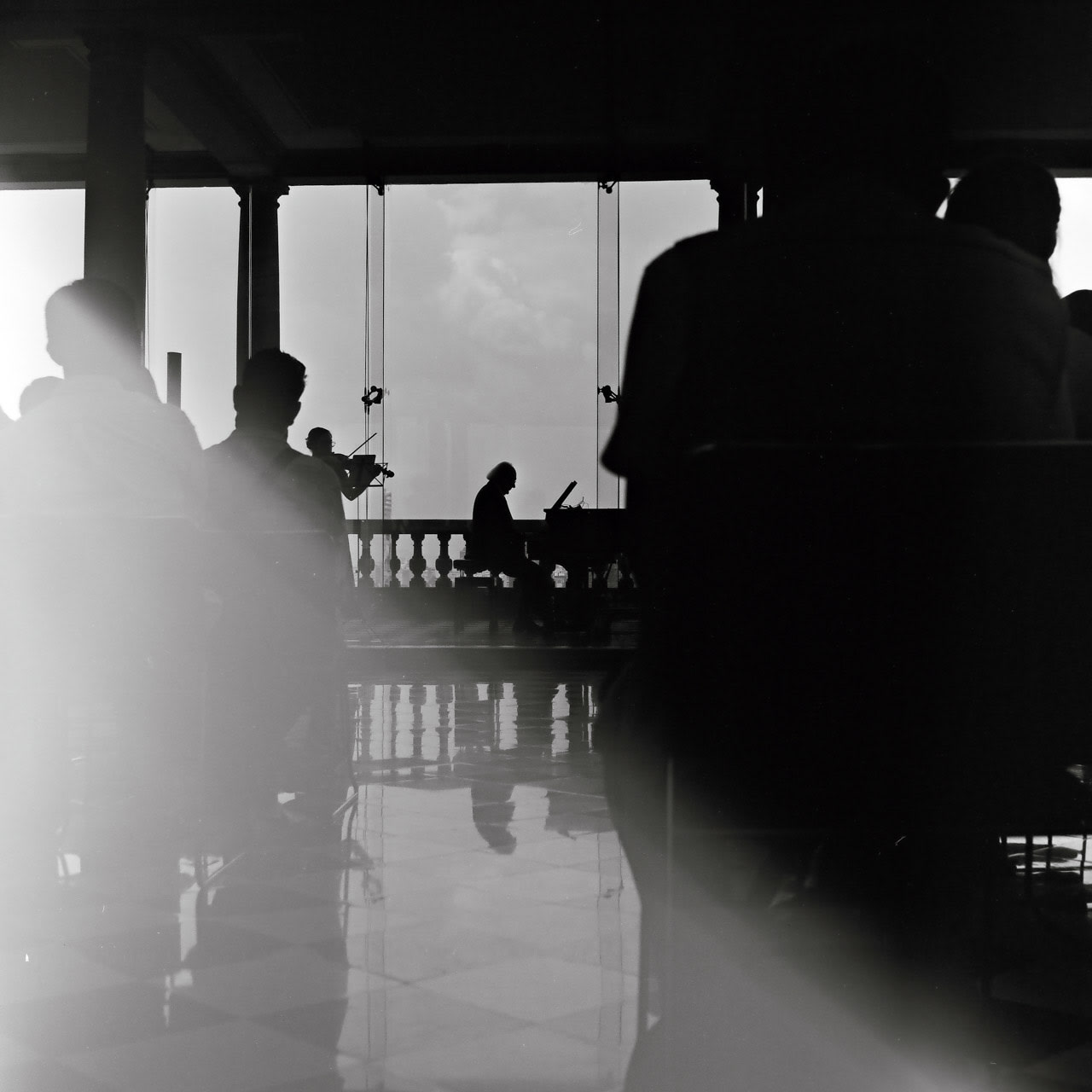
This is where I do regret not being more careful. The artists looked fantastic, and I should have paid closer attention.
Third Roll: Fomapan 200
With some light still left, I stepped out into a courtyard beside the castle and shot a few more frames. By then, I was feeling more confident with the camera, and honestly, I think some of my best photos of the day came from this roll.
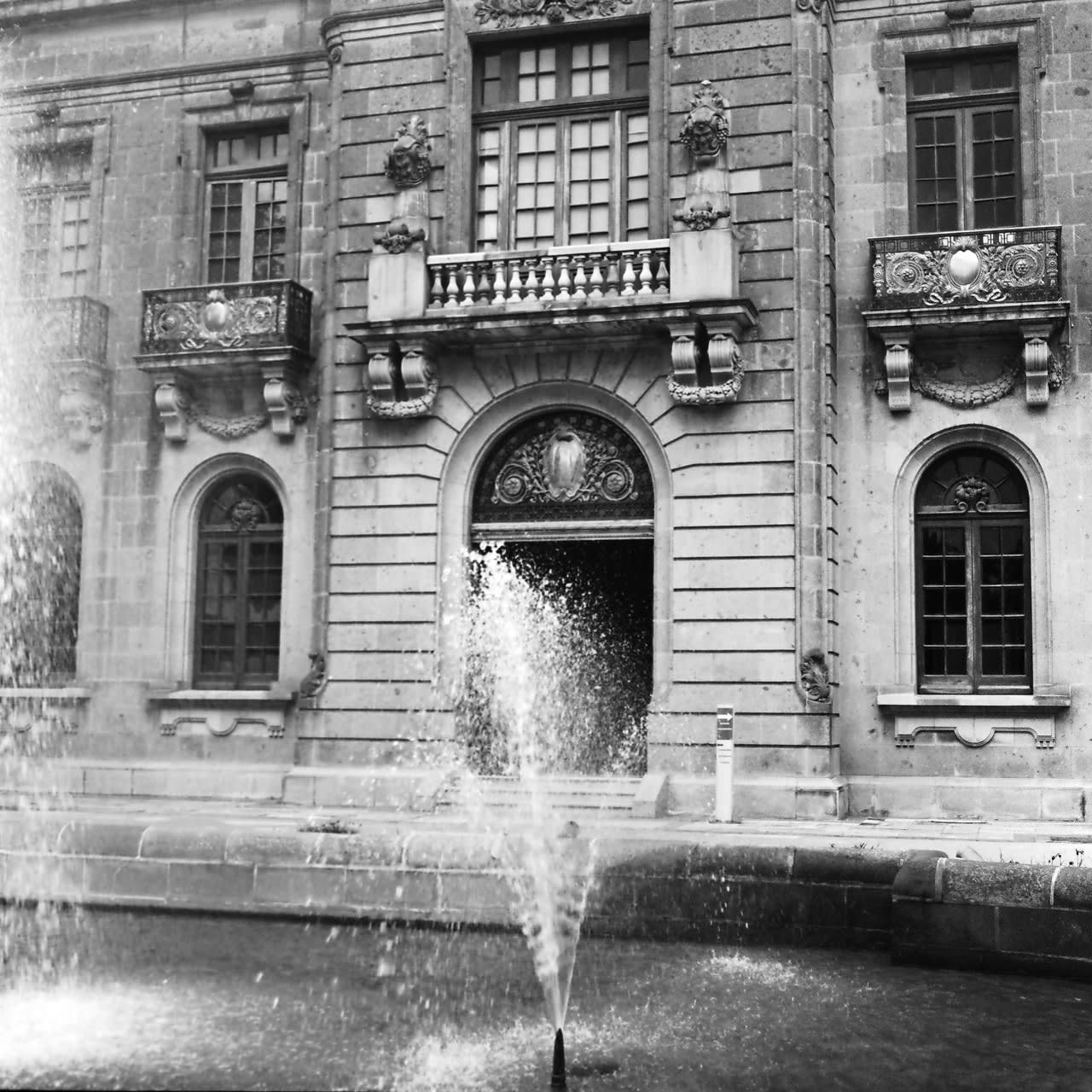
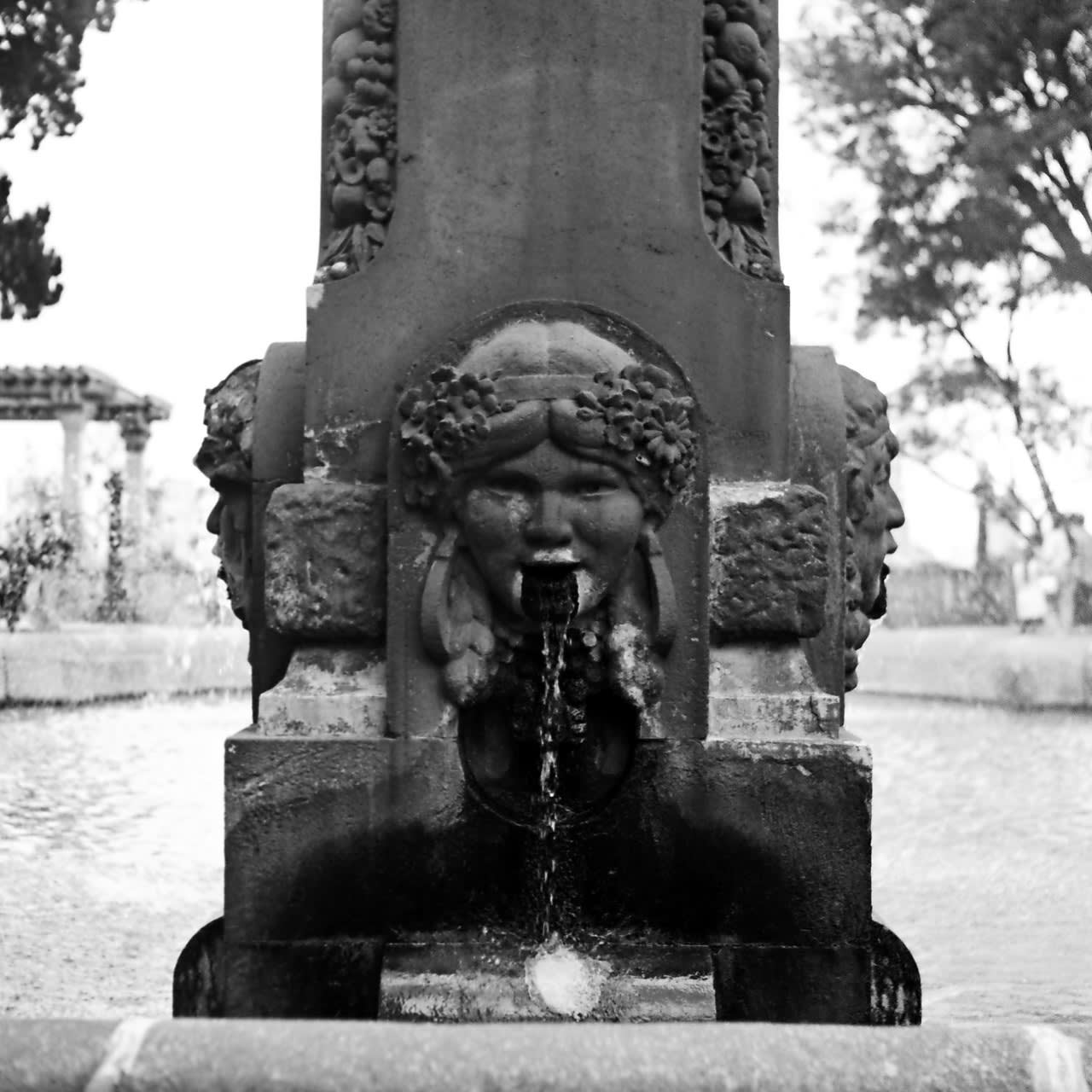
First Impressions: Yashica MAT LM
Pros
- Huge, bright, beautiful viewfinder. Hard to miss focus (unless that’s the effect you want).
- The Yashinon ƒ/3.5 80mm lens is sharp as hell.
- Build quality is excellent; it’s heavy but feels spectacular in hand.
- Surprisingly compact size.
- People can’t help but stare and say, “That’s a cool camera.”
- Shooting 6×6 is fun. It forces you to rethink composition.
Cons
- It’s a slow camera to operate, especially since the viewfinder shows a reversed image: left is right, right is left.
- Feels like a studio or still-subject camera. Street photography? Forget it.
- Cost adds up: fewer frames per roll, higher scanning fees (if you’re not doing it yourself).
Conclusions (for now)
I love this camera. That giant viewfinder is addictive. And while it’s heavy to carry for hours, the results are worth it. However, good practice is required, especially with the viewfinder magnifier.
At first, I thought it could become my main camera, but for now I’ll probably use it once or twice a month, at least until I solve the scanning problem. Labs here charge a lot for scans and only deliver basic JPGs. Want full-res TIFFs? Pay extra. And I don’t get it; on my Plustek 135 scanner, switching from JPG to TIFF is just a dropdown menu. Takes five seconds.
So far, no complaints about the camera itself, only about everything that comes with shooting medium format.
Still, those gigantic negatives packed with detail make it difficult to resist.
I’ll probably get an Epson V600 at some point, but no rush.
This adventure is just starting, and I already have several rolls waiting for their turn.