
I’ve been wanting a Leica camera for years but couldn’t afford one.
I’ve put my eyes on them after seeing Matt Day using one on YouTube a few years ago. I’ve googled the M6 model which seems to be the most popular one of the M line and I just laughed when I saw the price and forget about it.
Five or six years in the future, I was walking in a flea market in Mexico City. I was about to leave when I saw an old man selling all sort of crappy cameras, and obviously, I got closer to the stand. A bit hidden in a corner, I saw this beautiful camera in a silver plate color and what it seemed good condition.
I’ve grabbed it and turned it around to see the overall condition. It felt good at first touch in my hands. My surprise came checking the top plate: Leica D.R.P. Ernst Leitz Wetzlar. Germany.

My first thought was: oh, my god, is this a Leica?! Like, a real one? (At this point, I was only familiar with the M models).
The old man asked the equivalent of one-thousand dollars. I pretended to be genuinely interested in getting it and played with it for a few minutes before returning it to him. I was never going to pay that much in a flea market for an allegedly working camera.
eBay to the rescue
Once at home, I started my research to know everything about that Leica.
I’ve learned about Oskar Barnack, the creator of these beautiful cameras, and also learned that they were three versions of the camera, being the IIIF a good model to start with.
I’ve spend two or three hours looking for a balance between price and condition. I’ve settled a mint one from a Japanese seller.
The next challenge was to get a lens. I wanted one of those cool collapsible lenses, but the pricing was even worse. Back to Google.
I’ve learned that there were plenty of manufacturers back in the day for Leica M39 / LTM mount. After a bit of research, seemed like there was a hidden gem, the Canon 50mm LTM ƒ/1.8.
Back to eBay, checking plenty of listings until I’ve decided for another mint condition one.
Hands-on: Leica IIIF + Canon 50mm ƒ/1.8
Two weeks later, I got the whole package in my hands, so I’ve loaded a Kodak TRI-X and walked to the street.
My first feeling was that the camera felt nice in my hands.
It was small but that “built like a tank” feeling.
The first challenge was to deal with the lack of light meter. I brought back the old Sunny 16 guide, and I’ve also got help of the Light Meter Pro app for iPhone.
In this camera, the rangefinder and the viewfinder are separate, meaning that if you want to focus, you need to view through the rangefinder, and then compose in the viewfinder.
Honestly, I thought that this was going to be annoying, but it was fun, different, but not something that makes you dislike the camera. Of course, it slowed me down a bit, but no one was rushing me, so I took my time to get the most of each shot.
Zone Focusing: a special ally
While waiting for the Leica to arrive, I’ve decided to learn once for all the Zone Focusing method.
With the help of my friend ChatGPT, I’ve learned about minimum focusing distances for the 50mm focal length.
If you are new to this concept, I believe that the easiest way to focus without using the rangefinder to make a proper focus is to learn the minimum distance according to your aperture.
Examples:
ƒ/16: everything from 2.65m to infinity will be in focus.
ƒ/11: everything from 3.8m to infinity will be in focus.
ƒ/8: everything from 5.2m to infinity will be in focus.
Basically, if the day allows for narrow apertures, just get decent at calculating distances and just use the viewfinder to compose. This is way quicker than using the rangefinder for everything.
God himself, Henri Cartier-Bresson used this technique all the time. You cannot take your time to properly focus if you’re chasing for le moment décisif.
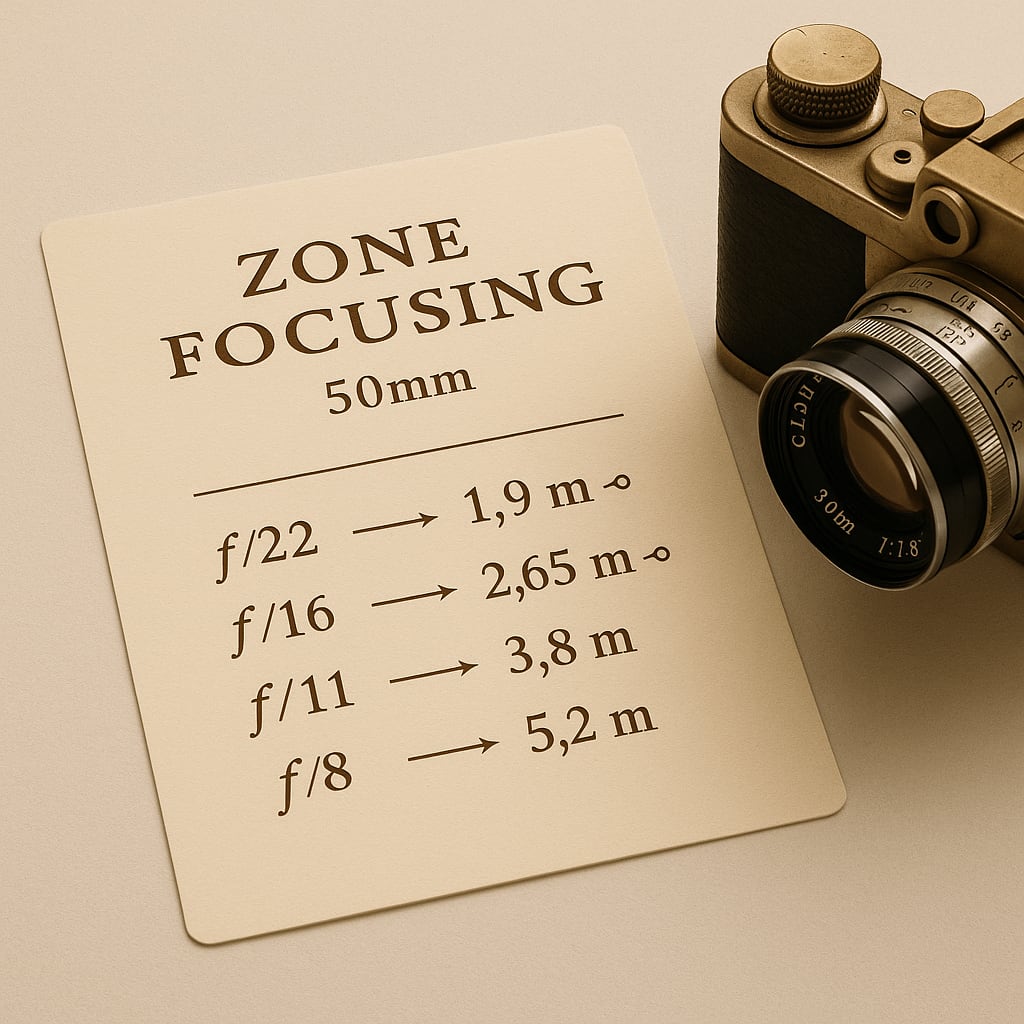
I’ve used these distances as reference for Zone Focusing for my Canon 50mm ƒ/1.8
Show me the pics
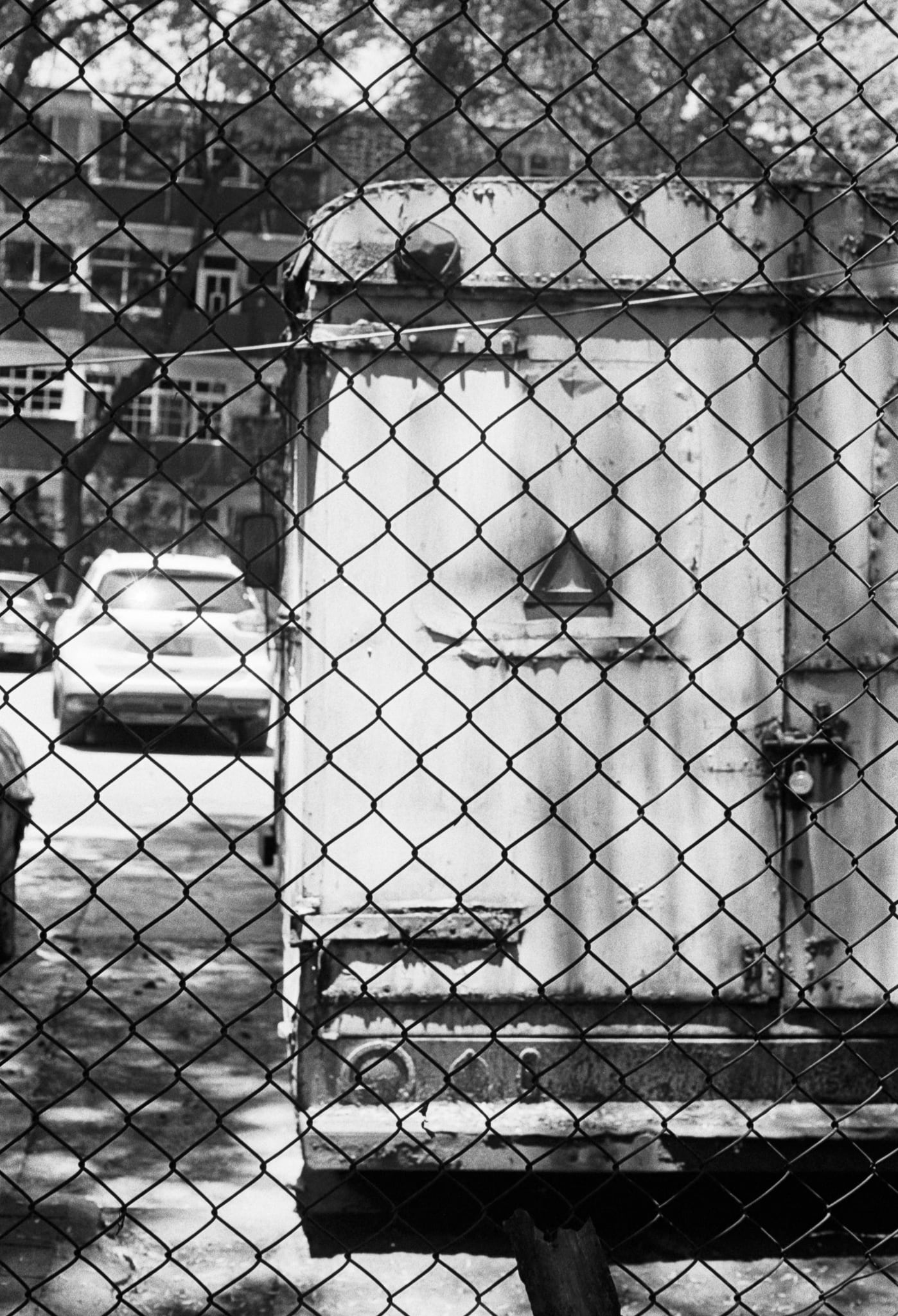
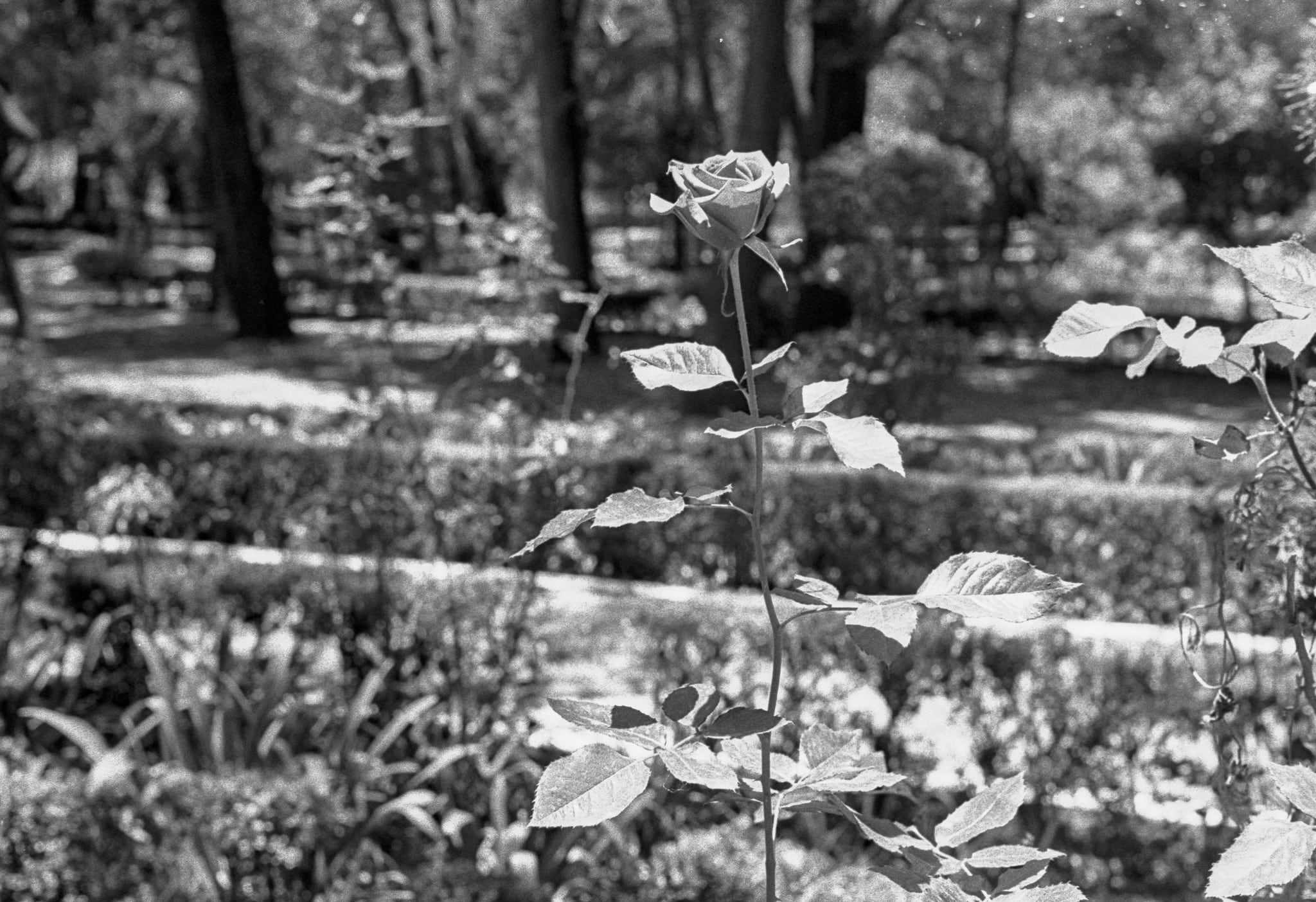
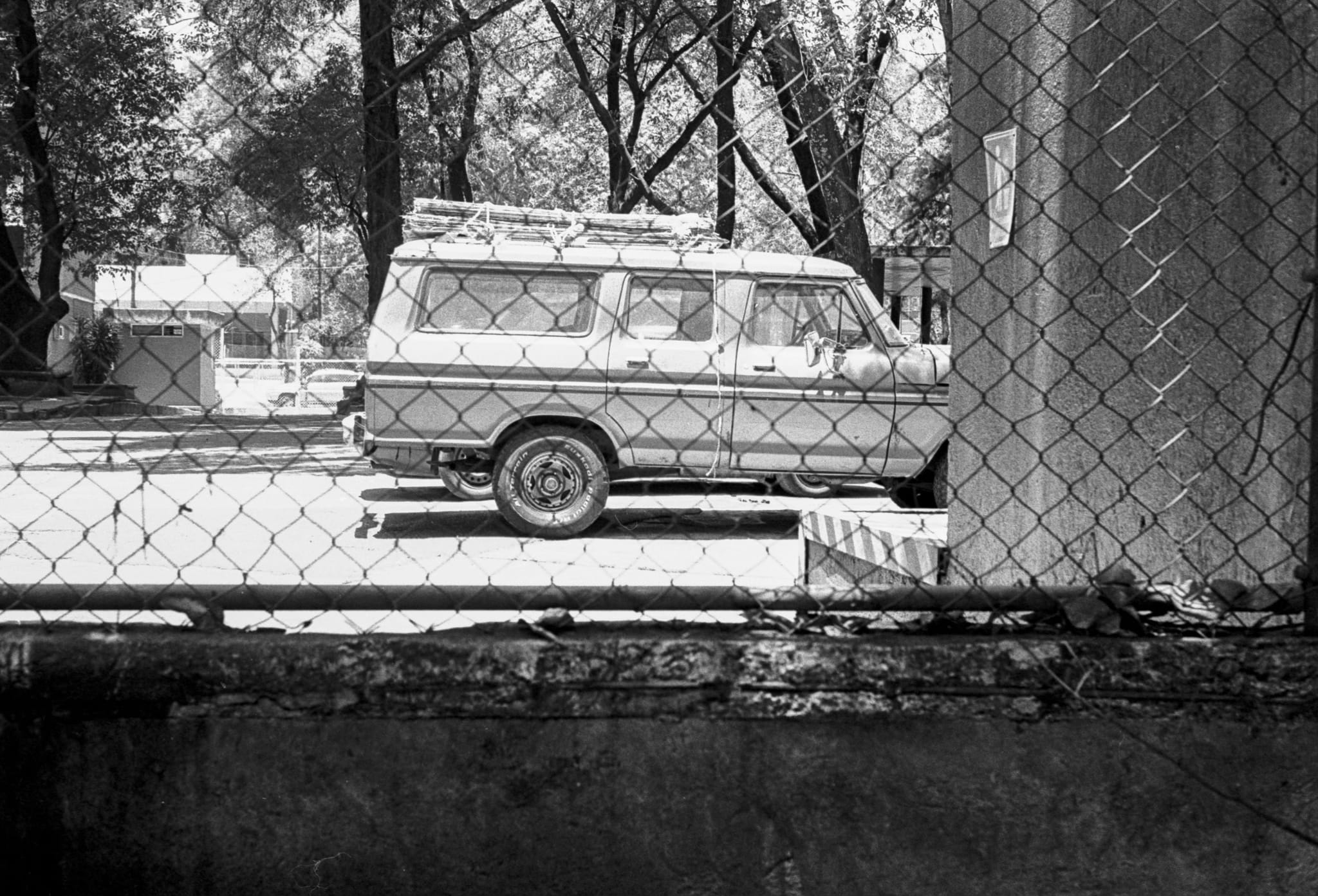
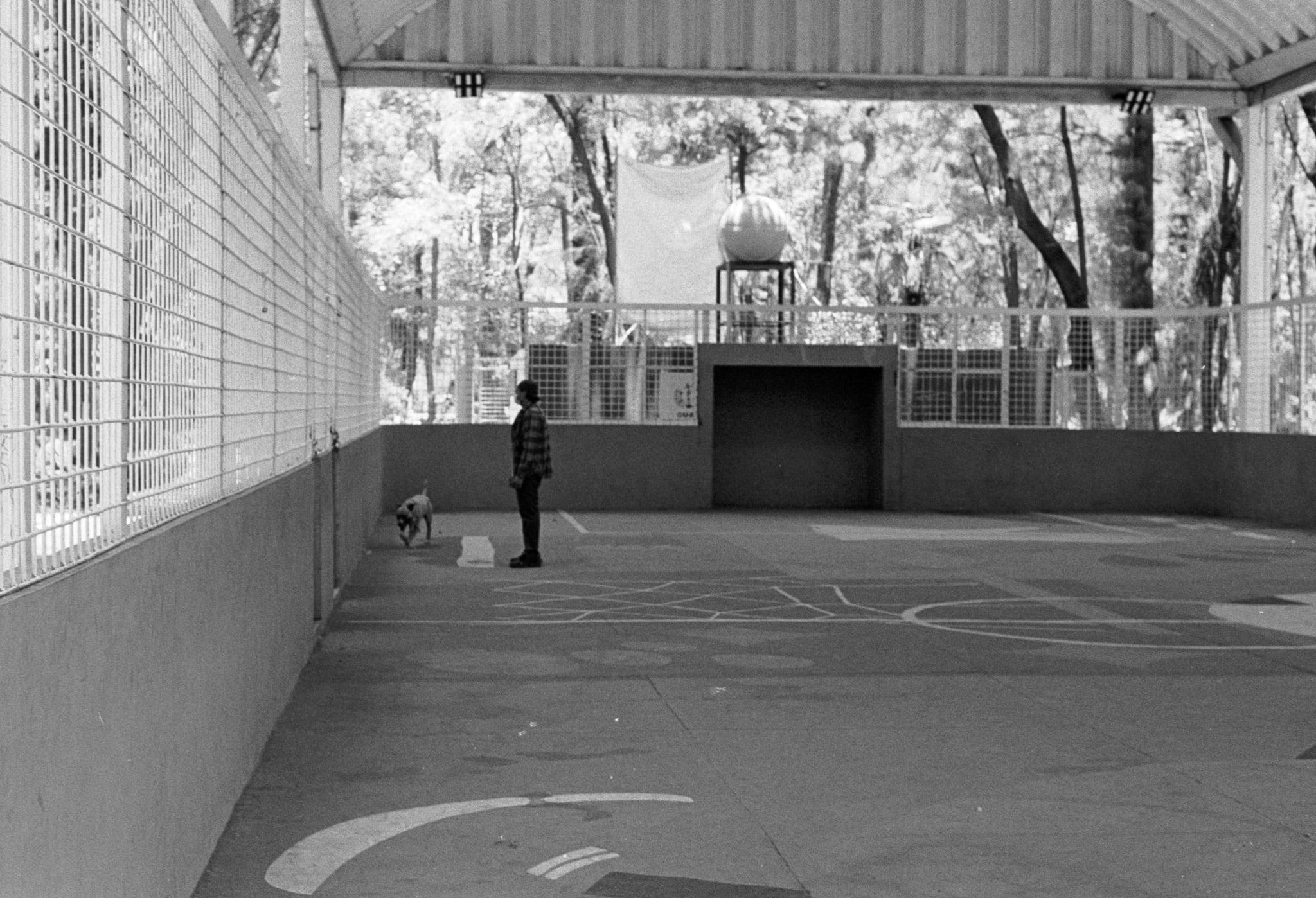
Here’s a gallery of some pictures taken with this combo.
Not exciting pictures (most of them) because it was a test roll. I was afraid of the deadly shutter curtain holes. Fortunately, this camera works perfectly.
Technical Specs
All these pictures were shot, developed and scanned (at home) with the following equipment.
- Camera: Leica IIIF (1950–1956)
- Lens: Canon 50mm LTM ƒ/1.8 (1951)
- Film: Kodak Tri-X 400 @ 320
- Developer: Ilford Ilfosol 3
- Scanner: Plustek OpticFilm 8100
Final Thoughts
I have some pros and cons for this camera.
PROS
- Excellent size. Feels discreet and pocketable.
- Superb build construction. It will out last any one of us.
- Lenses are stunning. Get this Canon, it won’t disappoint you.
- Usage is slow, but fully usable without any problem.
- It’s a Leica.
CONS
- Separate rangefinder and viewfinder. Learn Zone Focusing.
- No light meter. Learn Sunny 16.
- Extra trim needed for the leader of the film to avoid any risk getting your film stuck. No big issue, but kind of annoying.
- Separate dial for slow shutter speeds. Not a cons for me because I rarely use slow speeds, but some people might find it annoying.
- Rangefinder is beautiful and bright, but window is super small.
So, should you get this camera?
- If you want a “cheap” way to get into Leica system (camera and lens were $600 USD for me, but you can go cheaper if you don’t seek for mint condition like I did): get it.
- If you’re patient enough to go fully manual: get it.
- If you want to get better at Sunny 16, Zone Focusing and dominate the triangle exposure: get it.
- If you don’t mind having to use a separate rangefinder and viewfinder: get it.
For me, it’s a lovely camera. I’m always looking for the weekend to bring her with me, and shoot the streets of Mexico City. I’m happy with the lens Canon but I’m still keeping an eye on the sweet Summitar 50mm collapsible lens.
I strongly believe this will be my main camera for at least a year, but, in the near future I’d like to get a M3 model because I want a single rangefinder window.
— Thank you for reading, from your Mexican friend, Rick.